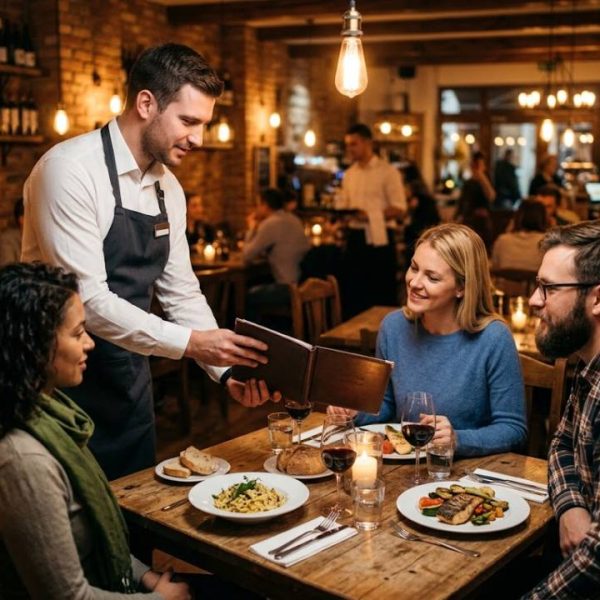
A menu is often a tourist's first real interaction with a restaurant's identity, and a clumsy translation undermines that impression before the first dish even arrives. Localizing a menu properly takes more thought than most restaurant owners expect.
Literal translation rarely captures a dish's character
Dish names built on wordplay or regional references often lose all meaning when translated word for word into another language. Restaurants serving diners from Russia sometimes rely on a specialized russian english translation service that adapts descriptions rather than translating them literally, preserving the appetite appeal that a stiff, technical translation would kill.
Ukrainian-speaking travelers notice inconsistent menus quickly
Menus with mismatched formatting or awkward phrasing between language versions stand out immediately to attentive diners. A careful translation english to ukrainian that mirrors the tone and structure of the original menu builds more trust than a version that reads like it was rushed through at the last minute.
Keeping menu translations consistent across locations
Restaurant groups with multiple locations benefit enormously from a cat editor that stores approved translations for recurring dishes and ingredients, ensuring a dish is described the same way whether a customer visits the flagship location or a newer branch across town.
Allergen information cannot afford to be approximate
Beyond appetite appeal, allergen and ingredient information carries real safety implications, and a vague translation here is far riskier than an awkward dish description. Professional bodies like the International Association of Conference Interpreters emphasize precision in specialized translation contexts, a principle that applies directly to menus serving guests with dietary restrictions.
Photos help, but they do not replace good translation
Many restaurants lean on photos to bridge language gaps, which works for simple dishes but fails for anything with layered flavors or unfamiliar preparation methods. A well-translated description still does work that a photo alone cannot, especially for dishes that look similar but taste completely different.
Training staff to handle the gap between menu and reality
Even a perfectly translated menu benefits from staff who can answer follow-up questions about spice levels, portion sizes, or preparation methods in a guest's language. Restaurants that pair strong menu translation with basic staff training in common tourist languages see fewer awkward ordering moments and more satisfied repeat visitors.
Updating translations whenever the menu changes
Seasonal menu changes often get updated in the original language first, with translated versions lagging behind for weeks or longer. Building translation updates into the same workflow as menu design changes keeps every language version current, rather than leaving international guests looking at an outdated or partially translated menu.
Not every change needs a full retranslation either, which is why proofreading tends to be handled as a separate step. PoliLingua lists proofreading among its services alongside translation, so a seasonal swap of two dishes can go back as a check on existing text rather than as a new job. Restaurants that are clear about which of the two they are asking for tend to get the updated menu back faster.
Menu length affects translation quality more than owners realize
A sprawling menu with dozens of items is far harder to translate well than a focused, curated list, simply because there is more surface area for inconsistency to creep in. Restaurants that trim their menu to a manageable size often find that translation quality improves almost automatically, since a smaller list is easier to review carefully in every language version.
Menu localization is a margin exercise disguised as a language exercise, since the dishes that travel well are rarely the ones with the best gross profit. Restaurants operate on thin enough margins that small structural decisions decide the year. The same is true of the ordinary tax saving tips most independent operators never get round to, where the saving comes from ordinary record-keeping rather than anything clever.
Regional dialects add another layer of complexity
A translation aimed at one national audience does not always land the same way with speakers of a regional dialect or a diaspora community abroad, where certain words carry different connotations. Restaurants with a diverse customer base sometimes benefit from a translator who understands these regional nuances rather than defaulting to the most standard version of a language.
A localized menu changes the first impression, but the second one is written by diners afterwards in whichever language they prefer. Restaurants that translate the menu and ignore the review page end up with two very different versions of themselves online. Treating online review management as part of the same guest-experience project, rather than damage control, is what keeps those two versions aligned.
Digital menus make updates easier, but only if managed well
QR code menus and digital ordering systems make it technically simple to update a translated menu instantly, yet many restaurants still treat translation as a one-time task completed at launch. Building a habit of reviewing translated digital menus alongside the original, every time a change is made, keeps this advantage from going to waste.
Getting feedback directly from international guests
Restaurants that occasionally ask international guests whether a translated menu made sense often uncover small but persistent issues that internal review missed entirely. This kind of direct feedback costs nothing beyond a brief conversation, yet it consistently surfaces problems that even a professional translator working without local context might not catch.
None of this requires a massive budget or a dedicated localization team. A restaurant that simply treats menu translation as seriously as it treats plating and presentation usually sees the difference reflected directly in guest satisfaction and repeat visits from international travelers.
The role of translation in online reviews
International guests often mention menu clarity, or the lack of it, in their online reviews, which future visitors read before deciding whether to book a table. A restaurant with a reputation for clear, well-translated menus quietly builds trust with travelers researching where to eat before they even arrive in a new city, turning a small operational detail into a visible competitive advantage.
Over time, that reputation compounds, since satisfied international guests often recommend a restaurant to others traveling from the same region, extending the value of a good translation far beyond a single visit.